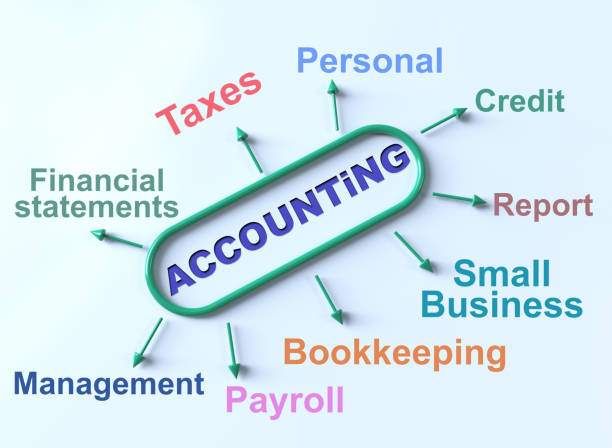
Expense Management Software in Nigeria
Every organization, regardless of size or industry, incurs expenses daily; from employee reimbursements and travel costs to office supplies, vendor payments, operational spending, and project-related expenses.
However, as businesses grow, managing these expenses becomes increasingly complex. Many Nigerian organizations still rely on spreadsheets, emails, paper receipts, and manual approval processes to track spending. While these methods may work for small teams, they often create challenges for growing enterprises with multiple departments, branches, employees, and cost centers.
Manual expense management can lead to; delayed reimbursements, lost receipts, unauthorized spending, poor visibility into business costs, duplicate payments, budget overruns, difficulty preparing financial reports.
For organizations operating in competitive markets, these inefficiencies can significantly affect profitability.
This is where expense management software becomes valuable.
Expense management software is a digital solution that enables businesses to capture, track, approve, analyze, and control expenses through automated workflows. Instead of relying on disconnected processes, organizations can centralize expense information, enforce spending policies, and gain real-time visibility into financial activities.
Modern expense management platforms help businesses answer important questions:
- Where is company money being spent?
- Which departments are exceeding budgets?
- Are employee expenses properly approved?
- Which costs can be optimized?
- How can finance teams improve reporting accuracy?
For Nigerian businesses, expense management is particularly important due to increasing operational costs, regulatory requirements, and the need for stronger financial controls.
HRPayHub provides integrated business management solutions that help organizations streamline employee management, payroll, accounting processes, and financial reporting. By connecting expense management with broader HR and accounting operations, businesses can improve efficiency while maintaining better control over company spending.
This article explores what expense management software is, why businesses in Nigeria need it, key features, benefits, implementation strategies, and how digital expense solutions can transform financial operations.
What Is Expense Management Software?
Expense management software is a digital platform designed to help organizations manage the complete lifecycle of business expenses, from submission and approval to reimbursement, reporting, and analysis.
Unlike manual expense tracking methods, expense management software automates repetitive financial processes and creates a structured system for managing company spending.
A typical expense management process includes:
- Employee incurs a business expense
- Employee submits expense details and receipts
- Manager reviews and approves the request
- Finance team verifies compliance
- Payment or reimbursement is processed
- Expense data is recorded for reporting
Without automation, each stage can involve emails, spreadsheets, manual verification, and physical documentation.
Expense management software simplifies this process by providing: digital expense submission, receipt upload, approval workflows, policy enforcement, budget tracking, reporting dashboards, and accounting integration
This allows finance teams to spend less time processing transactions and more time analyzing financial performance.
Why Nigerian Businesses Need Expense Management Software
As Nigerian businesses expand, financial management becomes more complicated.
A company with: multiple branches, remote employees, field sales teams, different departments, international vendors, large operational budgets, needs a reliable system to monitor spending.
Expense management software helps organizations maintain control while allowing employees to perform their roles efficiently.
Increasing Operational Costs
Nigerian businesses continue to experience rising operational expenses across areas such as transportation, fuel, office maintenance, technology subscriptions, employee allowances, business travel, and vendor payments. As costs increase, organizations need better visibility into how resources are being utilized to maintain profitability and control unnecessary spending.
Without accurate expense tracking, businesses may struggle to identify areas of overspending or opportunities for cost optimization. Expense management software provides real-time visibility into spending patterns, helping management monitor expenses, analyze cost trends, and identify areas where savings can be achieved.
By improving expense tracking and financial transparency, organizations can make better budgeting decisions, optimize resource allocation, and maintain stronger control over operational costs.
Growing Workforce Complexity
As companies hire more employees, managing reimbursements manually becomes difficult.
Finance teams need a structured system to ensure expenses are:
- Valid
- Approved
- Properly documented
- Within company policies
Need for Better Financial Control
Financial transparency is critical for business success.
Organizations need confidence that:
- Employees are spending within approved limits
- Budgets are being respected
- Expenses are properly categorized
- Reports are accurate
Expense management software creates stronger financial governance by ensuring every expense follows a defined process.
Regulatory and Audit Requirements
Businesses must maintain proper financial records for internal reviews, audits, and compliance purposes.
Manual expense management creates challenges because:
- Receipts may be missing
- Approvals may not be documented
- Expense history may be difficult to retrieve
Digital expense systems create clear audit trails showing:
- Who submitted an expense
- Who approved it
- When it was processed
- What documentation supports it
This improves accountability and compliance.
Challenges of Manual Expense Management
Many businesses continue to rely on traditional expense processes. While familiar, these approaches create several limitations.
1. Spreadsheet Errors
Spreadsheets are commonly used for expense tracking but can lead to inaccurate records due to formula errors, duplicate entries, missing information, and version control challenges, especially as businesses grow
When multiple employees update expense files, maintaining accuracy becomes difficult.
2. Delayed Approvals
Manual approval processes that rely on emails, meetings, and physical documents often slow down expense processing, leading to delayed reimbursements, employee frustration, and slower financial reporting. Expense management software simplifies approvals through automated workflows, enabling faster decision-making and better financial control.
3. Lack of Real-Time Visibility
Manual expense systems often limit visibility into company spending, as managers may only discover expense patterns during month-end reporting. Digital expense management platforms provide real-time dashboards that show current expenses, pending approvals, department spending, and budget utilization, enabling faster and more informed financial decisions.
4. Poor Expense Policy Enforcement
Organizations often have expense policies covering areas such as travel limits, approval requirements, employee allowances, and permitted spending categories. However, enforcing these policies manually can be challenging, especially in large organizations with multiple departments and employees. Expense management software automates policy enforcement by applying predefined rules before expenses are submitted or approved.
5. Difficult Financial Reporting
Preparing expense reports manually can be time-consuming and prone to errors. Finance teams often spend significant hours collecting receipts, reviewing spreadsheets, reconciling payments, and preparing management reports. Expense management software automates these processes, improving reporting accuracy, reducing administrative workload, and providing real-time insights into business spending.
Key Features of Expense Management Software
Modern expense management software provides organizations with tools to automate spending processes, improve financial visibility, and strengthen internal controls. While different platforms offer varying capabilities, effective expense management solutions typically include the following features:
Digital Expense Submission
One of the most important features of expense management software is the ability for employees to submit expenses digitally. Instead of completing paper forms or sending emails with attached receipts, employees can submit expenses directly through the platform.
A digital expense submission process allows employees to provide essential details, including the expense category, amount spent, date of transaction, business purpose, supporting receipts, and relevant project or department information. This creates a structured record that finance teams can review easily.
For example, a sales representative visiting clients can immediately submit transportation expenses, accommodation costs, client meeting expenses, and communication expenses without waiting until the end of the month. This improves accuracy, speeds up reimbursement processes, and reduces administrative delays.
Receipt Management and Documentation
Receipts are essential for financial accountability, but managing physical receipts can become challenging as organizations grow and transaction volumes increase. Expense management software simplifies this process by allowing employees to upload digital copies of receipts through mobile devices, web platforms, or document uploads.
This helps organizations reduce paperwork, prevent lost receipts, improve audit readiness, and maintain accurate expense records. Digital receipt storage also makes it easier for finance teams to access supporting documents whenever required.
Some advanced expense management platforms use Optical Character Recognition (OCR) technology to automatically extract key information from receipts, reducing manual data entry. The system can identify details such as vendor name, transaction amount, date, and expense category, improving processing speed and accuracy for finance teams.
Automated Approval Workflows
Expense approvals are essential for maintaining financial control and preventing unauthorized spending. Without a structured approval process, organizations may experience delayed reimbursements, policy violations, and unnecessary expenses.
Expense management software enables businesses to create automated approval workflows based on factors such as department, expense type, amount thresholds, employee role, and organizational structure. This ensures that every expense is reviewed by the appropriate personnel before payment, improving accountability, speeding up approvals, and strengthening financial governance.
Expense Policy Management
Every organization has guidelines that determine how business expenses should be incurred, approved, and reimbursed. These policies may cover areas such as travel allowances, entertainment expenses, accommodation limits, approval requirements, and reimbursement procedures.
Expense management software helps organizations enforce these policies automatically by applying predefined rules during the expense submission and approval process. When employees submit expenses, the system verifies whether they comply with company guidelines.
If an expense does not meet policy requirements, the system can flag the request for review, require additional approval, or reject unsupported claims. This reduces financial leakage, prevents unauthorized spending, and improves accountability across the organization.
Budget Tracking and Cost Control
Organizations need clear visibility into how departments allocate and use company resources. Expense management software helps finance teams monitor department budgets, project expenses, employee spending, and cost trends in real time.
By tracking spending patterns, businesses can identify areas of overspending, improve budget planning, and make better financial decisions. This enables organizations to control costs, optimize resource allocation, and ensure expenses remain aligned with business objectives.
Expense Analytics and Reporting
Accurate financial decisions depend on reliable expense data. Expense management software provides reporting dashboards that help organizations analyze total business expenses, spending by department, expense categories, employee reimbursement trends, budget utilization, and vendor costs.
These insights enable management teams to identify unnecessary expenses, uncover cost-saving opportunities, and address operational inefficiencies. Instead of simply recording expenses, businesses can use expense data strategically to improve financial planning, optimize resource allocation, and make better-informed decisions.
Multi-Currency Expense Management
Many Nigerian companies operate internationally or work with global partners, making it necessary to manage expenses across different currencies, including Nigerian Naira (NGN), US Dollars (USD), British Pounds (GBP), and other currencies.
Expense management software helps organizations accurately record, track, and reconcile international expenses while maintaining proper financial records. This is particularly useful for businesses managing international travel, foreign vendors, global operations, and remote employees working across different locations.
Mobile Expense Management
Modern employees expect convenient access to workplace tools from anywhere. Mobile expense management allows employees and managers to submit expenses, upload receipts, review requests, approve payments, and monitor spending directly from their mobile devices.
This flexibility is particularly valuable for field employees, sales teams, remote workers, and executives who frequently travel. By enabling faster expense submission and approvals, mobile expense management improves efficiency, reduces delays, and ensures organizations maintain accurate spending records regardless of employee location.
Benefits of Expense Management Software for Nigerian Businesses
Implementing expense management software delivers significant benefits across finance, HR, and business operations.
1. Improved Financial Control
One of the biggest advantages of expense management software is improved control over company spending. By providing real-time visibility into expenses, organizations can understand where money is being spent, who is incurring costs, why expenses are generated, and whether spending aligns with approved budgets.
This level of transparency helps businesses identify unnecessary costs, prevent unauthorized spending, and improve financial discipline. For growing Nigerian businesses, stronger expense control supports better resource allocation, improves profitability, and enables more informed financial decisions.
2. Reduced Administrative Workload
Finance and HR teams often spend significant time managing expenses manually, including reviewing receipts, verifying calculations, following up on approvals, and preparing reports. These repetitive tasks increase administrative workload and reduce the time available for more strategic activities.
Expense management software automates many of these processes, allowing teams to work more efficiently and focus on higher-value responsibilities. Finance teams can dedicate more time to financial analysis, budget planning, and strategic decision-making rather than spending hours on manual expense processing.
3. Faster Employee Reimbursements
Delayed reimbursements can negatively affect employee satisfaction, especially when employees use personal funds to cover business-related expenses and expect timely repayment.
Manual reimbursement processes often involve multiple approval stages, document checks, and follow-ups, which can slow down payment processing. Expense management software improves efficiency by reducing approval delays, ensuring complete documentation, and streamlining reimbursement workflows.
Faster and more accurate reimbursements create a better employee experience, improve trust, and allow employees to focus on their work without financial inconvenience.
4. Increased Transparency and Accountability
Expense management software creates clear visibility into company spending activities by maintaining a complete record of every transaction. Each expense can be tracked through details such as the employee responsible, submission date, approval history, supporting documents, and payment status.
This level of transparency helps organizations monitor spending more effectively, reduce misuse of company resources, and strengthen internal controls. By maintaining accurate expense records and clear approval trails, businesses improve accountability, simplify audits, and promote better financial governance.
5. Better Audit Preparation
Audits require accurate, well-organized financial records. Organizations that rely on manual expense processes often struggle to locate important documents such as receipts, approval records, and historical expense information when needed.
Digital expense management software creates structured and easily accessible records that simplify audit preparation. Finance teams can quickly retrieve expense details, supporting documents, and approval trails for internal auditors, external auditors, management reviews, and regulatory authorities.
By maintaining accurate records and improving documentation, businesses can reduce audit preparation time, strengthen compliance, and improve financial transparency.
6. Improved Decision Making
Expense data provides valuable insights that help organizations understand business operations and make better financial decisions. With accurate expense reports and analytics, management can identify rising operational costs, high-spending departments, cost-saving opportunities, and resource allocation patterns.
For example, if travel expenses increase significantly, management can evaluate whether virtual meetings can replace some travel activities, travel policies need adjustment, or vendor agreements should be renegotiated.
By transforming expense data into actionable insights, businesses can optimize spending, improve efficiency, and make strategic decisions based on accurate financial information rather than assumptions.
HRPayHub Expense Management
HRPayHub provides businesses with integrated HR, payroll, accounting, and workforce management solutions designed to simplify financial and employee operations. Unlike standalone expense tools that operate separately from other business systems, HRPayHub connects employee-related financial activities with broader organizational processes.
This integration enables businesses to manage employee information, payroll, expenses, accounting reports, and workforce operations from a unified platform. By bringing these functions together, organizations gain better visibility into employee-related costs, improve financial accuracy, reduce administrative workload, and make more informed business decisions.
For Nigerian businesses managing growing teams and complex operations, HRPayHub provides a centralized solution that improves efficiency, strengthens financial control, and supports better workforce management.
1. Integrated Employee Expense Management
Since business expenses are often linked to employees, departments, and operational activities, integrating expense management with HR systems provides organizations with better visibility and control over spending.
HRPayHub helps businesses connect employee information with financial processes, ensuring accurate records, streamlined reporting, and improved expense tracking. By linking expense activities with workforce data, organizations can better understand which employees incur expenses, which departments generate costs, and how expenses impact payroll and accounting processes.
This integrated approach eliminates disconnected records, reduces manual reconciliation, and enables businesses to make more informed financial decisions based on accurate employee-related expense data.
2. Expense Approval Workflows
HRPayHub supports structured expense approval workflows that help organizations manage spending requests efficiently and maintain strong financial controls.
Businesses can define clear submission procedures, approval hierarchies, department-level controls, and audit trails to ensure every expense follows the appropriate review process before payment.
By automating approvals, HRPayHub reduces delays, improves accountability, and ensures expenses align with organizational policies. This helps businesses prevent unauthorized spending while creating a transparent record of every approval decision.
3. Accounting and Financial Reporting Integration
Expense management is most effective when connected with accounting processes, allowing businesses to maintain accurate financial records and gain better visibility into spending activities.
HRPayHub includes accounting capabilities that help organizations manage expense tracking, financial reports, VAT reporting, WHT reporting, profit and loss statements, and balance sheets from a unified platform.
By integrating expense management with accounting processes, businesses can reduce manual data entry, improve reporting accuracy, and eliminate the need for multiple disconnected systems. This enables finance teams to streamline operations, maintain better financial control, and make faster decisions using reliable financial insights.
4. Payroll Integration
Employee expenses are often closely connected with payroll activities, particularly when organizations need to process allowances, reimbursements, employee advances, and deductions.
By connecting expense management with payroll, HRPayHub helps businesses improve accuracy, reduce manual reconciliation, and ensure employee-related financial transactions are properly recorded. This integration eliminates the need to transfer expense information manually between separate systems, reducing errors and improving payroll processing efficiency.
With connected payroll and expense processes, organizations gain better visibility into employee costs and can manage compensation-related transactions more effectively.
5. Enterprise Reporting and Analytics
HRPayHub provides organizations with better visibility into workforce and financial data through comprehensive reporting and analytics capabilities. By consolidating employee and financial information, businesses can gain deeper insights into their operational performance and spending patterns.
Management can use reports to analyze employee-related costs, operational expenses, department spending, and financial trends. These insights help organizations identify cost drivers, optimize resource allocation, improve budgeting, and make more informed strategic decisions.
With accurate, real-time data, businesses can move beyond manual reporting and leverage analytics to improve efficiency, strengthen financial control, and support long-term growth.
The Role of AI and Automation in Expense Management
Artificial intelligence and automation are transforming how businesses manage expenses. As organizations generate increasing volumes of financial transactions, manual review processes become inefficient and expensive.
AI-powered expense management systems help organizations improve accuracy, detect unusual spending patterns, and automate repetitive financial tasks.
1. Automated Expense Categorization
One challenge finance teams face is accurately categorizing business expenses, especially when managing large volumes of transactions across different departments and employees.
For example, employees may submit expenses related to transportation, accommodation, client meetings, software subscriptions, or office supplies. AI-powered expense management systems can analyze expense descriptions and automatically assign the appropriate categories, reducing the need for manual classification.
This improves reporting accuracy, enhances budget tracking, and supports better financial analysis. It also saves finance teams valuable time by reducing the effort required to organize and review expense transactions manually.
2. Receipt Data Extraction
Manually entering receipt information can be time-consuming and increases the risk of errors, especially when businesses process large volumes of expenses. Modern expense management solutions use technologies such as Optical Character Recognition (OCR) to automatically extract key information from receipts.
The system can identify details such as merchant name, transaction date, amount, tax information, and payment details, reducing the need for manual data entry.
Automated receipt data extraction improves accuracy, speeds up expense processing, and allows finance teams to focus on higher-value tasks such as financial analysis, reporting, and cost optimization.
3. Fraud Detection and Unusual Spending Alerts
Expense fraud and policy violations can negatively impact business finances.
AI systems can analyze spending patterns and identify unusual activities, such as:
- Duplicate claims
- Unusually high expenses
- Expenses submitted outside normal patterns
- Suspicious transactions
These alerts allow finance teams to investigate potential issues before they become significant losses.
4. Predictive Expense Analytics
AI enables organizations to move from reactive financial management to proactive planning.
Predictive analytics can help businesses forecast:
- Future expenses
- Department spending patterns
- Seasonal cost changes
- Budget requirements
5. Automated Compliance Monitoring
Expense policies can be complex, especially for large organizations.
AI-powered systems can automatically check whether expenses comply with:
- Company policies
- Approval requirements
- Spending limits
- Documentation rules
This reduces compliance risks and strengthens financial governance.
Industry Applications of Expense Management Software in Nigeria
Expense management software supports businesses across different industries by improving financial visibility and operational control.
Banking and Financial Services
Banks and financial institutions manage significant operational expenses across multiple branches.
Expense management software helps banks control:
- Branch expenses
- Employee reimbursements
- Travel expenses
- Vendor payments
- Operational costs
With better visibility, financial institutions can improve cost management while maintaining compliance.
Universities and Educational Institutions
Private universities manage complex operations involving:
- Academic staff
- Administrative teams
- Research activities
- Campus operations
Expense management software helps institutions manage:
- Department budgets
- Staff reimbursements
- Research expenses
- Procurement-related costs
This improves accountability and financial planning.
Healthcare Organizations
Hospitals and healthcare providers manage expenses related to:
- Medical supplies
- Equipment maintenance
- Staff reimbursements
- Operational costs
Expense management solutions provide better tracking of healthcare spending and support stronger financial management.
Manufacturing Companies
Manufacturing organizations often have significant operational expenses, including:
- Raw materials
- Logistics
- Equipment maintenance
- Employee-related costs
Expense management software helps manufacturers monitor spending and identify efficiency opportunities.
Technology Companies
Technology companies often manage:
-
Software subscriptions
-
Remote employee expenses
-
Cloud services
-
Client-related costs
Expense management platforms help technology businesses maintain control as they scale.
Professional Services Firms
Consulting, legal, and accounting firms manage expenses related to:
-Client projects
- Business travel
- Employee activities
- External vendors
Digital expense management improves project profitability by providing accurate cost information.
Improving Business Financial Control with Expense Management Software
As Nigerian businesses continue to grow, managing expenses efficiently has become increasingly important. Organizations can no longer depend entirely on spreadsheets, emails, and manual approvals to control spending.
Expense management software provides businesses with the automation, visibility, and financial discipline required to operate effectively.
For large enterprises, the benefits extend beyond expense processing. A well-designed expense management system becomes a strategic tool for improving profitability and supporting better business decisions.
HRPayHub helps Nigerian businesses streamline HR, payroll, accounting, and workforce processes through an integrated platform designed for modern organizations. By connecting employee operations with financial management, businesses can achieve better visibility and control.
Transform Your Expense Management Process Today
Ready to reduce manual expense processes and improve financial efficiency? Explore HRPayHub’s HR and accounting solutions today and discover how your organization can simplify expense management, payroll, and workforce operations.